
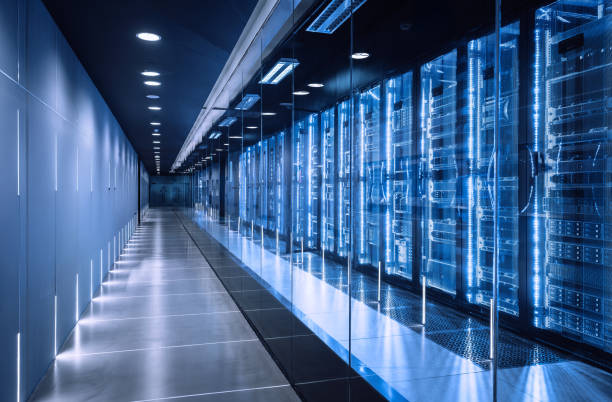
Online casinos once relied heavily on oversized bonuses, celebrity partnerships and endless slot catalogs competing for attention across crowded digital platforms. That formula still exists today, but the real transformation now happens beneath the surface where advanced infrastructure quietly controls speed, stability and responsiveness every second you play. When you open a platform like Jackpotcity, you immediately interact with cloud systems, payment networks and streaming architecture working together in real time to keep every session running smoothly.
When you open Jackpotcity on your phone during a commute or while watching basketball at home, you immediately connect with cloud networks, streaming systems, payment gateways and security architecture working simultaneously in the background. The American Gaming Association reported that U.S. commercial gaming revenue climbed to a record $79.7 billion last year, while online casino revenue rose by 27.6% across regulated states. Ultimately, those figures reveal how aggressively operators now invest in backend systems as competition intensifies throughout the American market.
Mobile systems are driving the modern casino experience
You probably notice mobile optimization before anything else whenever you log into an online casino. A slow-loading homepage or delayed game launch quickly feels frustrating when most entertainment apps already operate instantly across modern smartphones. Recent 2026 market tracking showed that mobile devices account for more than 65% of U.S. online casino revenue, while cumulative casino app downloads reached roughly 150 million nationwide. Those numbers explain why companies connected to Jackpotcity place enormous focus on touch responsiveness, navigation speed and streamlined app performance throughout every session.
Modern cloud infrastructure supports those expectations through distributed systems operating across several regions throughout the United States. Older server models often struggled during playoff weekends or major sporting events where sudden traffic spikes overwhelmed centralized infrastructure within minutes. Current casino platforms divide workloads across multiple networks, which helps maintain stable performance while thousands of players join live tables or process withdrawals simultaneously. Jackpotcity, therefore, depends heavily on scalable infrastructure that expands rapidly during periods of unusually high activity without slowing your experience.
You can also see these technical improvements through the way modern casino apps handle transitions between games, account pages and payment tools. Developers now use microservice frameworks where different platform functions operate independently from one another, so isolated technical issues create fewer disruptions across the wider system. If a payment gateway experiences temporary delays, your gameplay session often continues uninterrupted during the process. Jackpotcity operates within an intensely competitive digital market where every second matters, where operators constantly refine backend systems to keep interactions feeling smooth from start to finish.
Streaming quality is becoming a major competitive advantage
You immediately recognize the difference between an outdated live casino stream with blurry visuals versus a modern production featuring smooth video, synchronized betting timers and responsive dealer interaction. Live dealer gaming has advanced dramatically during recent years, with streaming quality now influencing player trust almost as strongly as payouts or game variety. Platforms tied to Jackpotcity continue to invest heavily in broadcast-grade production systems, where multiple cameras, real-time overlays and low-latency networking create experiences that feel closer to sports broadcasting than to traditional online gambling.
Those upgrades matter greatly as player expectations continue rising throughout 2026 across regulated American markets. Industry research published earlier this month showed that mobile session frequency nearly doubled during the past two years, while shorter but more frequent casino visits now dominate user behavior. You probably move between roulette tables, blackjack streams and slot games several times during a single session, so every transition needs to feel immediate across both Wi-Fi and mobile data connections. Streaming systems thus require powerful infrastructure capable of synchronizing gameplay for thousands of users simultaneously without visual lag or delayed outcomes.
Casino operators now understand that technical responsiveness directly influences how immersive a live game feels from your perspective. Brief interruptions, delayed card reveals or frozen betting timers quickly damage confidence during real-money sessions where timing matters constantly. Jackpotcity thus competes within a market where visual consistency plays a huge part in player retention across mobile devices. Technical teams continuously optimize video compression, server routing and regional data delivery systems so that streams remain stable even during periods of unusually high traffic, such as major sports weekends or national events.
Casino platforms are adapting to shorter user sessions
You probably access casino apps very differently today compared with just a few years ago. Many players now open platforms during short breaks throughout the day instead of long desktop sessions during evenings at home. Tellingly, research published during 2026 found that weekly mobile casino sessions more than doubled over the past two years, while desktop usage steadily declined across regulated American markets. That shift has pushed companies like Jackpotcity to optimize nearly every feature around fast, repeat interactions that feel smooth from the moment you open the app.
Today, modern casino platforms now prioritize accessibility, speed and minimal friction throughout the player experience: authentication systems operate faster, payment tools integrate directly into smartphones, while navigation moves far more smoothly than older casino apps once allowed. Jackpotcity competes within a highly competitive digital industry where users can switch platforms almost instantly if performance feels inconsistent during active sessions. Looking ahead, backend infrastructure, therefore, matters just as much as game selection or promotional offers across the modern online casino market for the future.


